
Physical AI: When Intelligence Moves from Code to the Real World

Physical AI marks a major shift in the evolution of artificial intelligence, moving intelligence beyond software and into machines that can sense, reason, and act in the real world. Unlike traditional automation systems that rely on rigid, preprogrammed instructions, Physical AI enables machines to operate dynamically within complex and unpredictable environments. These systems are designed not just to perform tasks, but to understand their surroundings and respond intelligently to change. As a result, Physical AI represents a step closer to truly autonomous machines capable of safe, effective interaction with the physical world.
From Rule-Based Automation to Context-Aware Intelligence
At the heart of Physical AI is the integration of perception, decision-making, and physical action. By combining computer vision, machine learning, sensor data, and robotic control, Physical AI systems gain the ability to interpret real-world conditions rather than simply follow fixed rules. A robot powered by Physical AI does not merely execute commands—it understands context. It can identify objects, recognize patterns, detect anomalies, and adjust its behavior in response to new information.
This capability is especially important in environments where variability is unavoidable. Real-world settings are rarely controlled or consistent. Lighting conditions change, objects vary in shape and position, and unexpected obstacles appear. Traditional automation struggles in such conditions because it depends on precise inputs and predefined scenarios. Physical AI overcomes these limitations by learning from experience and adapting over time, allowing machines to handle uncertainty with greater reliability and efficiency.
Transforming Industrial Automation and Manufacturing
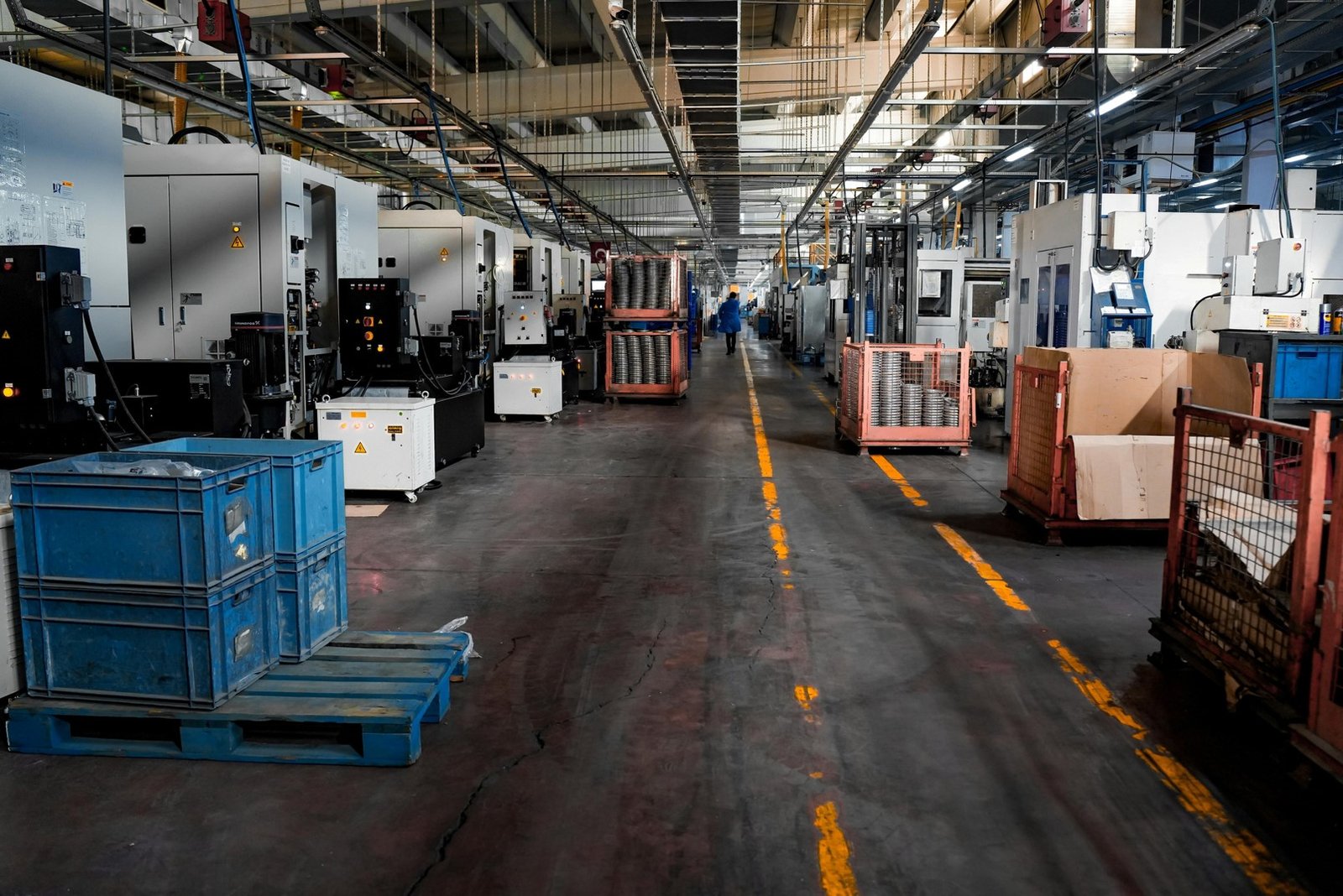
In manufacturing and industrial operations, Physical AI unlocks a new level of practicality and scalability. Factory floors are dynamic spaces where materials, layouts, and workflows frequently change. Rigid automation systems often require constant reprogramming and the involvement of highly skilled specialists to maintain performance. Physical AI reduces this dependency by enabling robots to adjust autonomously to variations without extensive manual intervention.
This adaptability lowers operational costs, minimizes downtime, and makes advanced automation accessible to a wider range of industries. Small and medium-sized manufacturers, who previously found automation too complex or expensive, can now deploy intelligent systems that learn and improve over time. As Physical AI continues to mature, it becomes the foundation for more flexible, resilient, and user-friendly robotics.
Ultimately, Physical AI brings intelligent automation closer to everyday factory floors. By bridging the gap between digital intelligence and physical action, it reshapes how machines work alongside humans—creating safer, smarter, and more responsive industrial environments.