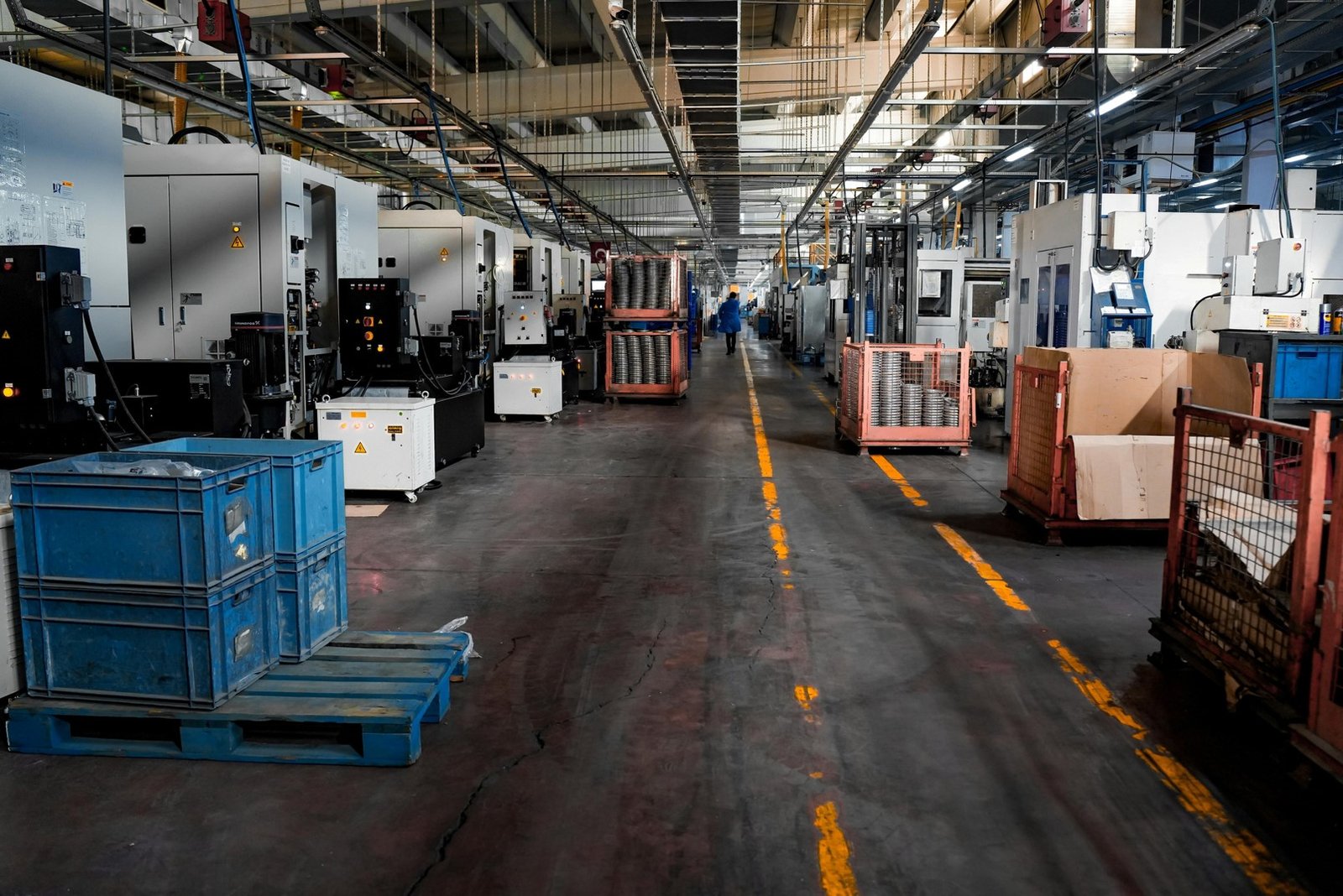


For decades, artificial intelligence and robotics were viewed as cutting-edge technologies reserved for large enterprises. High costs, complex integration, and the need for specialized engineering teams made these systems impractical for most manufacturers. While they delivered impressive gains in productivity and precision, their adoption was largely limited to highly controlled, high-volume environments where variability was minimal and resources were abundant. For smaller manufacturers, AI and robotics felt more like a distant aspiration than a realistic option.
How Technology Evolution Changed the Equation
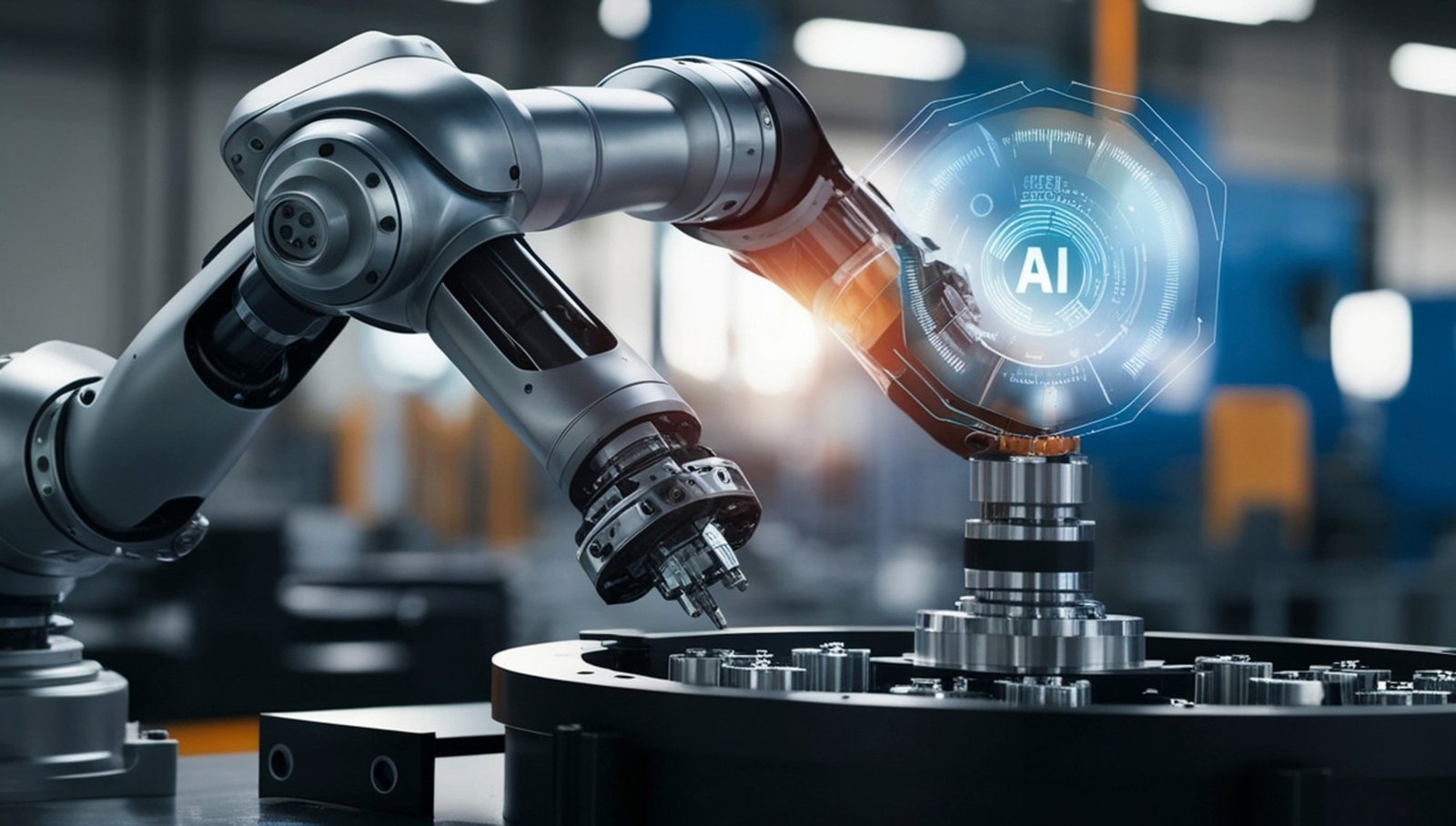
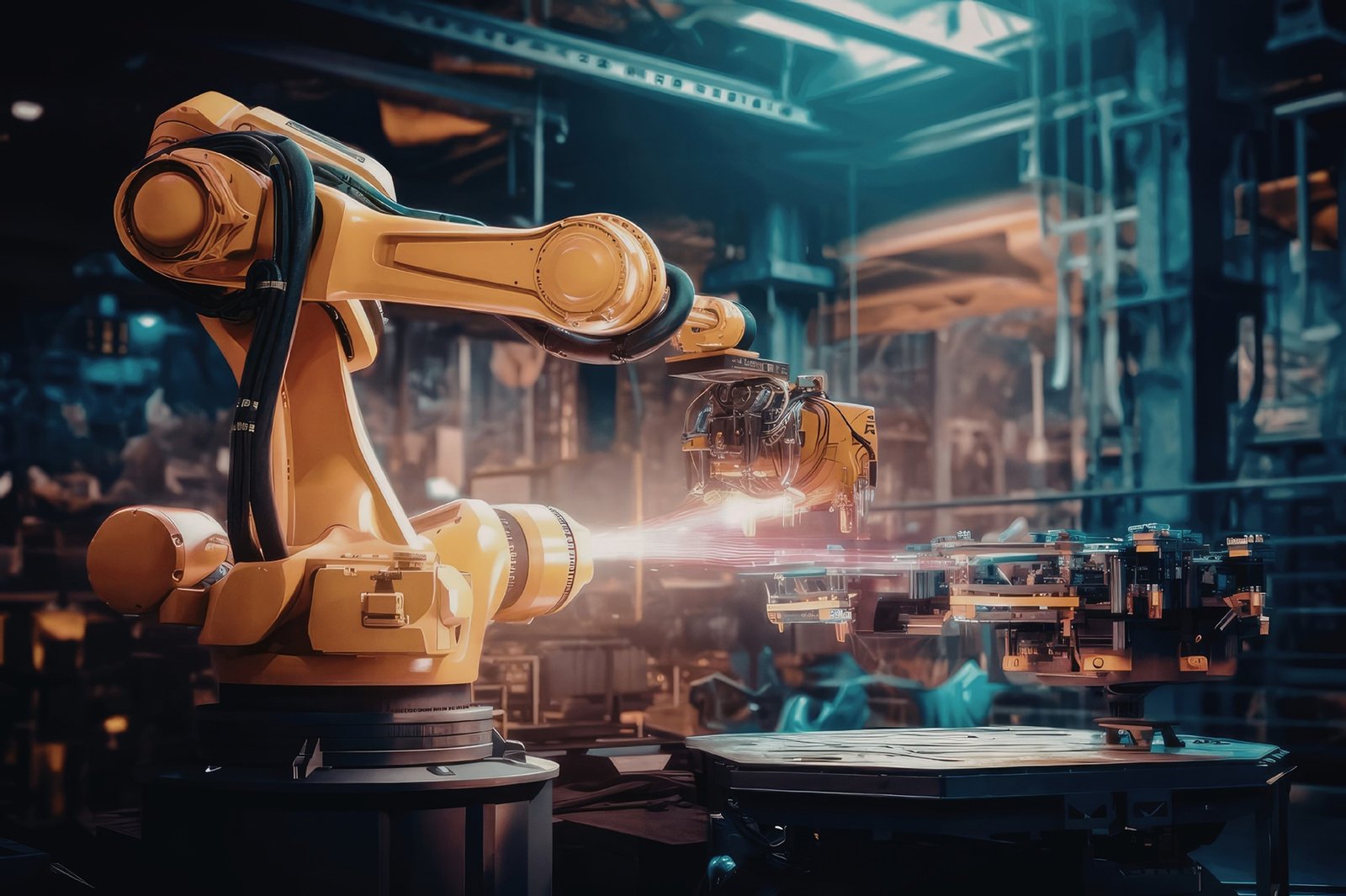
Recent advances in artificial intelligence, sensing technologies, and computing power have fundamentally reshaped the robotics landscape. Modern robots are no longer rigid, single-purpose machines. They are smarter, more compact, and far more adaptable to real-world conditions. With AI-driven perception and decision-making, robots can now interpret visual data, recognize patterns, and respond intelligently to changes in their environment.
Machine learning allows these systems to improve over time, reducing the need for precise, line-by-line programming. Instead of relying on fixed instructions, robots can learn from data, adapt to variability in materials or processes, and handle tasks that were previously too complex for automation. Improved sensors and edge computing also enable faster responses and safer human–machine interaction, making collaborative robotics a practical reality rather than a niche application.
This shift has lowered technical barriers and reduced the reliance on constant human oversight. Automation systems are becoming easier to deploy, configure, and maintain, opening the door for broader adoption across industries and company sizes.
Why AI and Robotics Are Now Essential, Not Optional
As manufacturing environments grow more demanding, AI and robotics are transitioning from optional upgrades to everyday necessities. Rising labor shortages, increasing quality standards, and growing pressure to deliver consistent output are forcing manufacturers to rethink traditional, manual processes. AI-powered automation helps address these challenges by improving consistency, reducing errors, and increasing operational efficiency.
Beyond productivity, robotics also play a critical role in workplace safety. Machines can take on repetitive, physically demanding, or hazardous tasks, allowing human workers to focus on higher-value activities such as supervision, problem-solving, and process optimization. This collaboration between humans and intelligent machines creates more resilient and sustainable operations.
Importantly, the future of AI and robotics is not about replacing people. It is about building systems that work alongside humans, enhancing their capabilities rather than eliminating their roles. With scalable, flexible, and increasingly affordable solutions, automation is becoming accessible to a much wider range of manufacturers.
AI and robotics are no longer industrial luxuries. They are foundational tools for staying competitive in a rapidly evolving market—making intelligent automation practical, scalable, and achievable for businesses of all sizes.