

Micro, Small, and Medium Enterprises (MSMEs) form the backbone of global manufacturing, accounting for a significant share of production, employment, and innovation. Despite their importance, automation adoption among MSMEs has historically lagged behind that of large enterprises. This gap has not been driven by a lack of ambition or awareness, but by practical constraints that made automation feel out of reach. For many MSMEs, automation appeared to be a solution designed for large factories with deep pockets, dedicated engineering teams, and predictable production environments.
The Barriers That Slowed Automation Adoption
Traditionally, automation came with high upfront capital costs, long implementation cycles, and complex system integration requirements. Industrial robots and automated systems often demanded customized setups, extensive reprogramming, and ongoing maintenance by skilled specialists. For MSMEs operating with tight margins and limited technical staff, these requirements posed significant risks. Any disruption during installation or operation could directly impact production schedules and revenue.
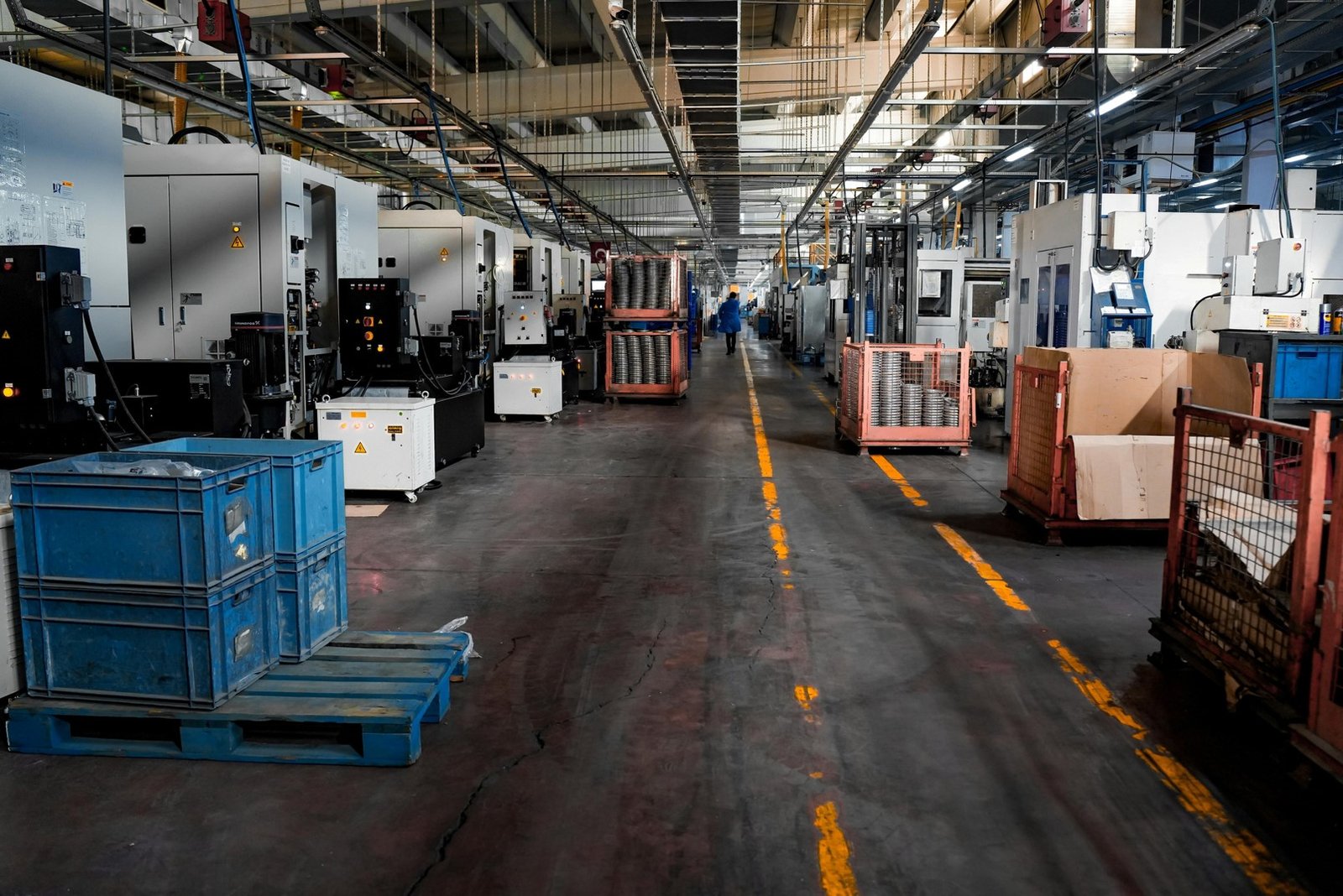
In addition, many small and mid-sized manufacturers deal with high product variability and frequent changes in processes. Conventional automation systems, which thrive in stable and repetitive environments, struggled to adapt to this level of flexibility. As a result, MSMEs often relied on manual labor, even as efficiency and quality demands continued to rise.
Why the Timing Is Finally Right for MSMEs
Today, both market pressures and technological advances are reshaping this reality. Labor shortages, rising wages, and increasing expectations for quality and traceability are pushing MSMEs to rethink how they operate. Manual processes are becoming harder to sustain, and inefficiencies are more costly than ever. Automation is no longer a “nice-to-have” but a strategic necessity for long-term survival.
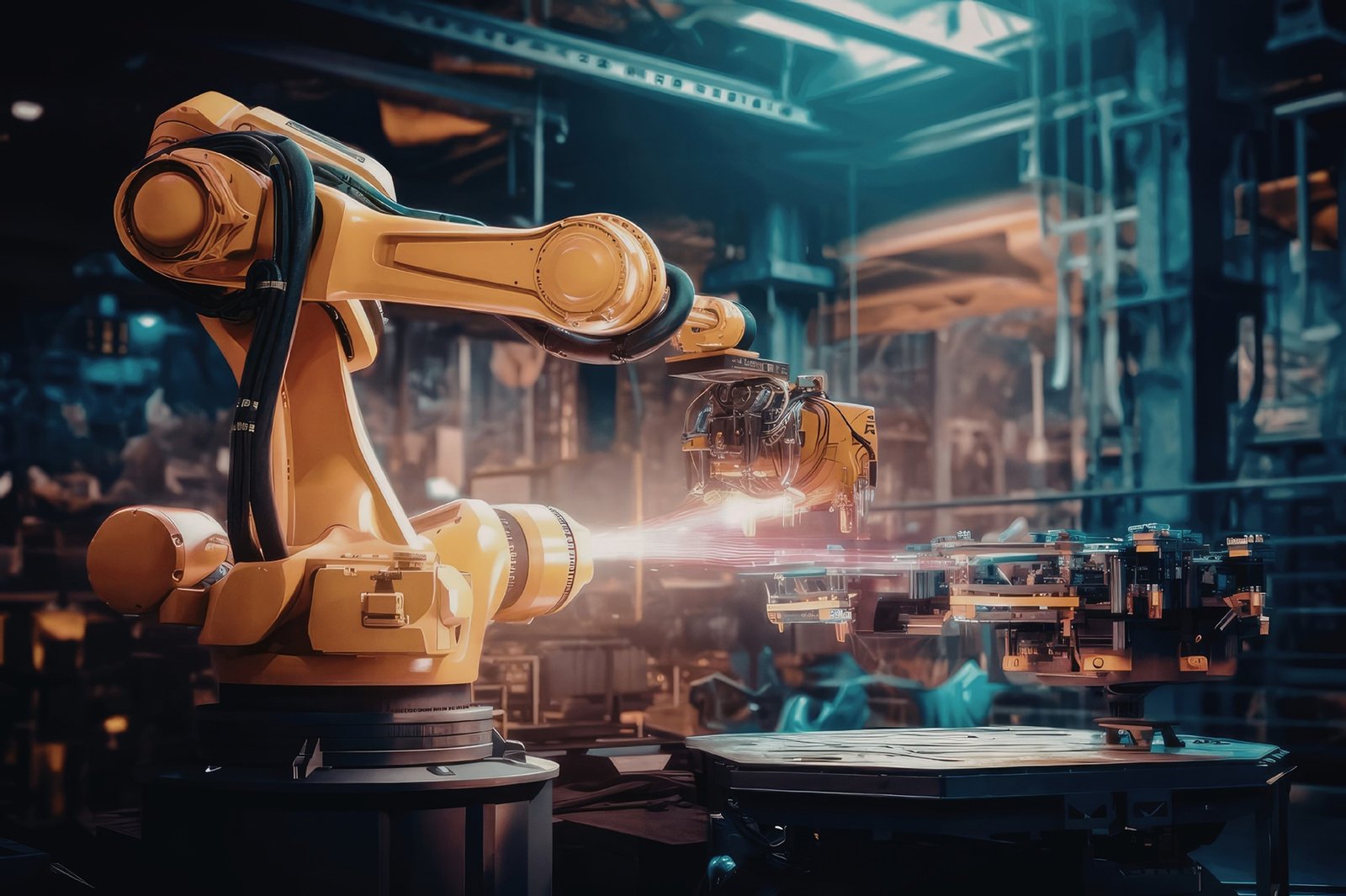
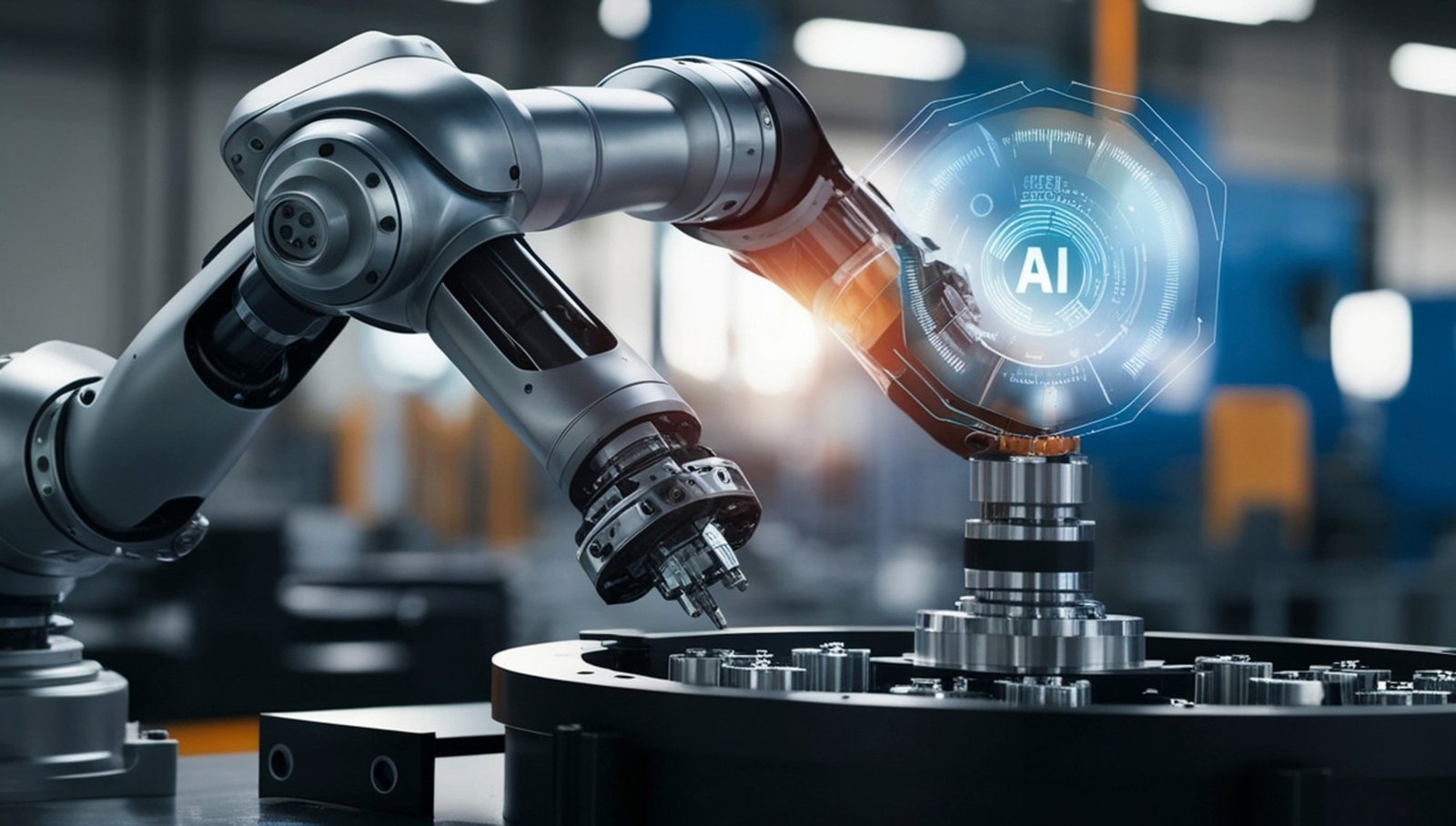
At the same time, automation technology itself has evolved to better match the needs of MSMEs. Modular robotics, AI-driven systems, and plug-and-play automation solutions reduce complexity and deployment time. Subscription-based and pay-as-you-grow business models lower upfront costs and shift automation from a capital expense to an operational one. These innovations allow MSMEs to start small—automating a single process or workstation—and scale gradually as confidence and demand grow.
Modern automation is also more flexible and user-friendly. Systems can adapt to variation, learn from data, and require less specialized programming knowledge. This makes automation accessible even to companies without large engineering teams.
As a result, MSMEs are now better positioned than ever to adopt automation on their own terms. With solutions designed around flexibility, affordability, and ease of use, automation is becoming a powerful tool not just for improving productivity, but for building resilience, competitiveness, and long-term sustainability in an increasingly demanding manufacturing landscape.